Founded by a local Muslim noble Malik Ambar, in 1610 on the site of a village named Khirki, Aurangabad is famous for Bibi-ka-Makbara, the mausoleum of Aurangzeb's queen and numerous Buddhist cave temples in and around the city. The mausoleum is termed as 'poor man's Taj Mahal' as it is a poor replica of the Taj Mahal.
Located in the northern part of the state of Maharashtra, in the western region of India, Aurangabad's heritage can be linked with many dynasties of India. In 1626 Fateh Khan named the city as Fatehpur. Later Aurangzeb, the Mughal emperor made this city as his capital and renamed it Aurangabad.
Situated on the banks of the River Kham, the weather of Aurangabad is temperate with moderate winters. Aurangabad is also famous for it's silk and cotton textiles.
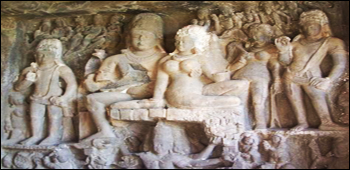
Panchakki (water wheel), Tomb of Baba Shah Muzaffar, a Sufi Saint, Himroo (traditional cotton-silk blend fabric) factory, Purwar Museum, and Aurangabad Caves are some of the tourist places you will get to see through the tour packages for Aurangabad.
Surrounded by hills, Buddhism was ushered in this region of the country by the great Mauryans. There are temples built in the city built by the rulers like Satvahanna and Rashtrakuta. The famous caves of Ajanta are a part of this Buddhist tradition.
Aurangabad is also important because of the famous tourist destinations nearby like the famous Buddhist caves at Ajanta which lies 166 km northeast of the city, the fortress of Daulatabad, which is just 13 km away from the city, the caves temples of Ellora, which are 30 km northwest of the city, Grishneshwar temple, one of the twelve Jyotirlingas of India, where Lord Shiva is worshipped near Ellora caves, the Bani Begum Gardens, which surround the tomb of one of Aurangzeb's queens and Paithan, 56 km south of Aurangabad, which is famous for its traditional Paithani silk saris.