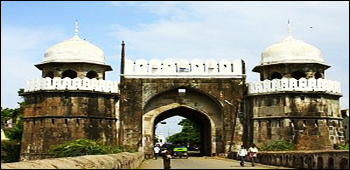
A once dusty town, at the cusp of where the West ends and South starts, is slowly opening its gates to industry, discovers Achal Dhruva Synonymous with the world famous heritage sites of Ajanta and Ellora Caves, Aurangabad is a city still uniquely steeped in tradition, yet taking its first tentative steps towards the new economy.
Part of the original Nizam state of Hyderabad, Aurangabad along with the six other districts of Marathwada were merged with Maharashtra after the 1960 reorganisation of states, by virtue of having a major Marathi speaking population.
However, step into the city of Aurangabad and you wonder whether you are in the local version of Lucknow. Indeed Aurangabad is more of a ?tehzeeb? than a city. The influence of Nizamshahi and the easygoing lifestyle that came along with it has not yet completely disappeared. The minarets, maqbaras and the numerous bazaars dotting the cityscape lend a very distinctive touch to the older parts of the city as also the trademark Indian congestion, traffic, chaos, and the various flea markets and Meena Bazaars.
It is not surprising if you suddenly hear some strange parlance immortalised by Mehmood in his many movies - this typical Hyderabadi dialect is still fairly en vogue in the older quarters of the city. As they say, you can change the exterior but how do you change the soul? In Maharashtra and probably in entire Western India itself, this unique brand of ?Dakkhani? as is it called is spoken only in Marathwada and specifically in Aurangabad.
Aurangabad had a major brush with history when it almost became the capital of the country when Mohammad Bin Tughlaq brought his capital to Daulatabad on the outskirts of the city from Delhi. But the mega plan was doomed to flop because of severe and crippling water shortages, inadequate infrastructure as well as the middle- of- nowhere nature of the place.
|